


DriftX / Knowledge Garage
Mazda MX-5 NA/NB clutch hydraulics: master, slave and hose
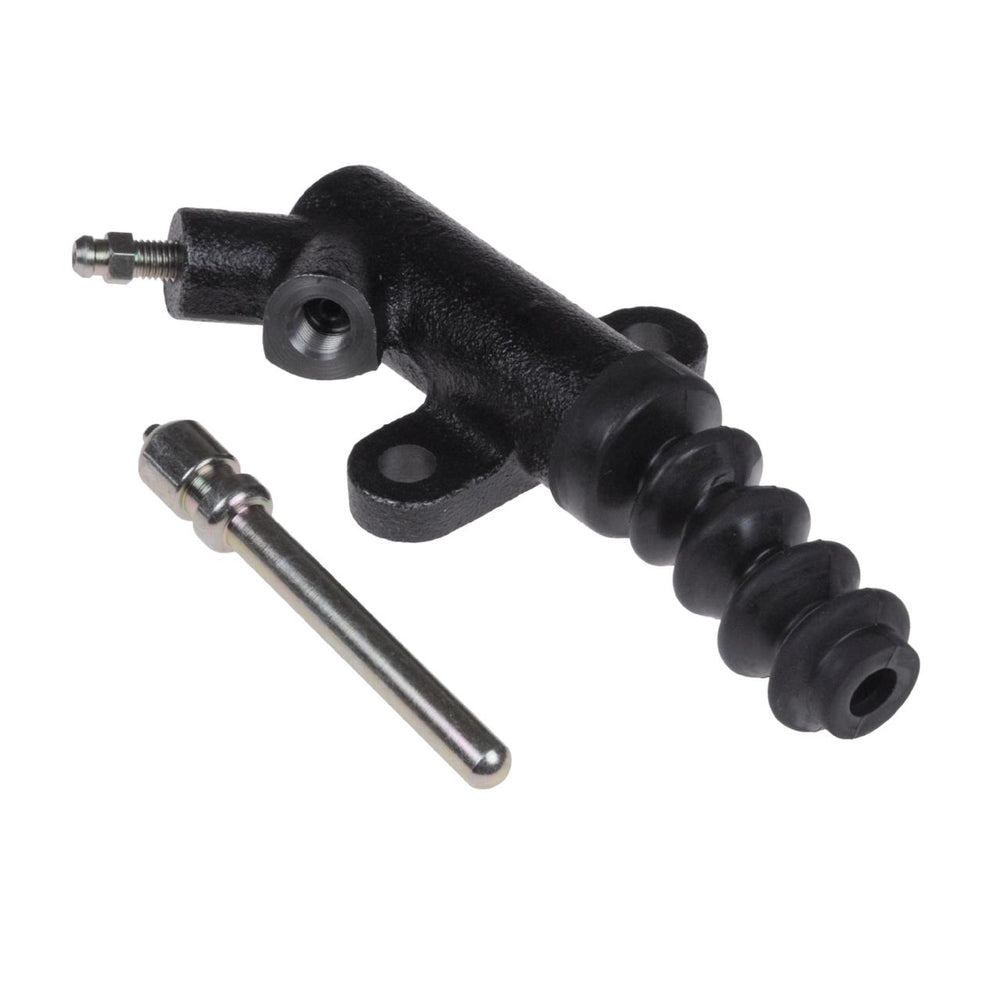
A soft pedal or a clutch that stops releasing can come from the hydraulics. On a manual Mk1 or Mk2 MX-5, the master cylinder turns pedal movement into hydraulic pressure. The line carries that pressure to the external slave cylinder, which moves the release fork.

Which part should I check first?
| Part | What to inspect and match |
|---|---|
| Master cylinder | Check the reservoir, outlet and pedal-side pushrod area for fluid. For listed right-hand-drive manuals, B425-41-400 is a Mazda reference to check. Confirm steering side, mounting and outlet position, especially on imports. |
| Slave cylinder | Check the body, pipe union and inside the dust boot for fluid. For covered NA/NB manuals with the matching original layout, see Blue Print ADM53619, a 19 mm aftermarket slave cross-referenced to Mazda NA01-41-920. |
| Hydraulic pipe or hose | Trace the line between the cylinders. A short flexible hose replaces one section. A full-length master-to-slave line changes the routing. Match both ends, steering side, length and the mounting points. |
What does a soft clutch pedal tell me?
A low or falling reservoir level points to fluid loss. Inspect the master, slave and line rather than replacing the first part that is easy to reach. A master can also lose pressure internally with little visible leakage. If pumping the pedal temporarily improves release, have the hydraulics checked. If engine speed rises without a matching increase in road speed under load, check for clutch slip separately.
Genuine Mazda or aftermarket?
For genuine parts, match the current Mazda reference to the VIN, steering side and fitted gearbox. The Blue Print link is an aftermarket slave cylinder. For a master cylinder or line, send the workshop photos of the original connections and mounting. A right-hand-drive master or line should be confirmed separately from left-hand-drive listings. On an engine or gearbox swap, use the fitted fork and slave arrangement as the starting point.
What should happen after fitting?
Use fresh fluid that meets the specification for the fitted system and follow the Mazda procedure to bleed it. Ask the fitter to check for leaks at each union, confirm the pedal returns and verify that the clutch releases correctly. A new line should be supported and kept clear of exhaust heat, sharp edges and moving parts. If pedal feel improves but the gears still baulk, inspect the fork and release mechanism before ordering more hydraulic parts.
Send the chassis code, build month, steering side, gearbox and photos of any changes. Request a parts or workshop quote or Ask Jesse about fitment. For the friction parts and flywheel, see the MX-5 clutch and flywheel guide.


