DriftX / Knowledge Garage
GFB Turbo Flutter vs Whoosh: Diagnose the Release Sound
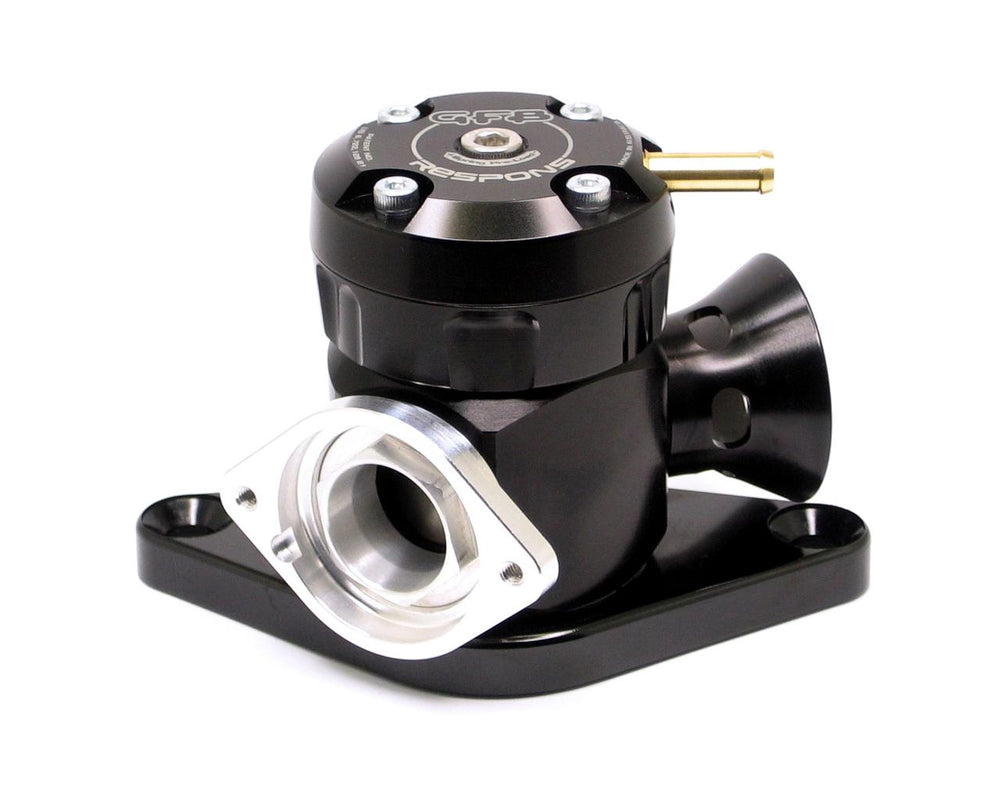
A GFB valve should be chosen and adjusted for correct pressure release, not simply to reproduce a fluttering sound. GFB distinguishes low-load flutter in some installations from a valve failing to release properly at higher boost. The operating conditions matter more than the label attached to a video.
This Knowledge Garage guide separates the part-selection decision from the work needed to fit and set it up. The exact GFB reference and the hardware on the car take priority over a model badge or a sound clip.
Where the sounds come from
A clean atmospheric release creates the familiar whoosh, while recirculation routes that release back through the intake. Intake design changes how much of either event you hear. Flutter can be associated with pressure pulses at the turbo rather than a trumpet deliberately playing a sound. A louder intake can therefore reveal behaviour that was previously masked without proving that a newly fitted valve has failed.
Keep GFB’s low-load discussion in context
The manufacturer discusses low-rpm behaviour separately from a valve not doing its job at higher rpm and boost. Do not turn that into a blanket statement that all compressor surge is harmless. Describe the engine speed, load, pressure and throttle movement when the noise occurs. Those details make a technician’s assessment much more useful than asking whether every flutter is good or bad.
Exact GFB parts and the deciding checks
| Part and exact buying link | Manufacturer reference | Deciding check |
|---|---|---|
| GFB T9003 Respons TMS T9003 adjustable-bias venting diverter valve / blow-off valve | T9003 | Adjustable pneumatic valve example; diagnose reference plumbing and preload before changing parts. |
| GFB T9103 Mach 2 TMS Recirculating Diverter Valve Direct Fitment | T9103 | Recirculating Mach 2 example; quieter venting is not evidence that it is closed or defective. |
| GFB T9659 DVX T9659 Suits VW Golf Mk7 R and Audi S3 8V | T9659 | DVX example; adjustable sound still needs correct operation on the specified installation. |


What to inspect before ordering a different valve
Check that the fitted part suits the turbo and mounting, the pressure reference is connected correctly, the return path is sound and the piston moves as intended. Review spring preload using the exact manual. On an electronically controlled diverter, check the connector, original-valve compatibility and fault codes rather than applying a pneumatic-valve adjustment procedure indiscriminately.
Do not confuse a sound change with a power result
Changing venting balance or intake acoustics does not establish improved turbo efficiency or a measured horsepower gain. If the car also hesitates, loses boost or behaves inconsistently, record those symptoms and inspect the system. A valve that releases appropriately under meaningful load is a more useful result than one selected purely for its low-load soundtrack.
Is all flutter with a GFB valve safe?
No blanket claim is justified. GFB’s discussion of some low-load flutter does not mean persistent high-boost release problems should be ignored. Check the exact valve, plumbing and adjustment, then have unresolved behaviour assessed.
Before ordering
Open the exact product or selected variant for current price, stock, included hardware and manufacturer application notes. A published application is a starting point for an original installation; changed turbos, pipework, gearboxes or control systems need their own check. If a deciding detail is missing, send DriftX the part reference, vehicle registration and a clear photograph of the installed hardware.
GFB — Go Fast Bits · GFB Mach 2 Diverter Valves · GFB RESPONS TMS Valves · GFB DVX Diverter Valves · Engine Cooling & Tuning — Knowledge Garage
Manufacturer sources
- GFB Australia — official manufacturer website
- GFB manufacturer technical information
- GFB manufacturer technical information
- GFB manufacturer technical information
- GFB UK specification and fitting information — T9003
- GFB UK specification and fitting information — T9103
- GFB UK specification and fitting information — T9659